
Plants can be invasive
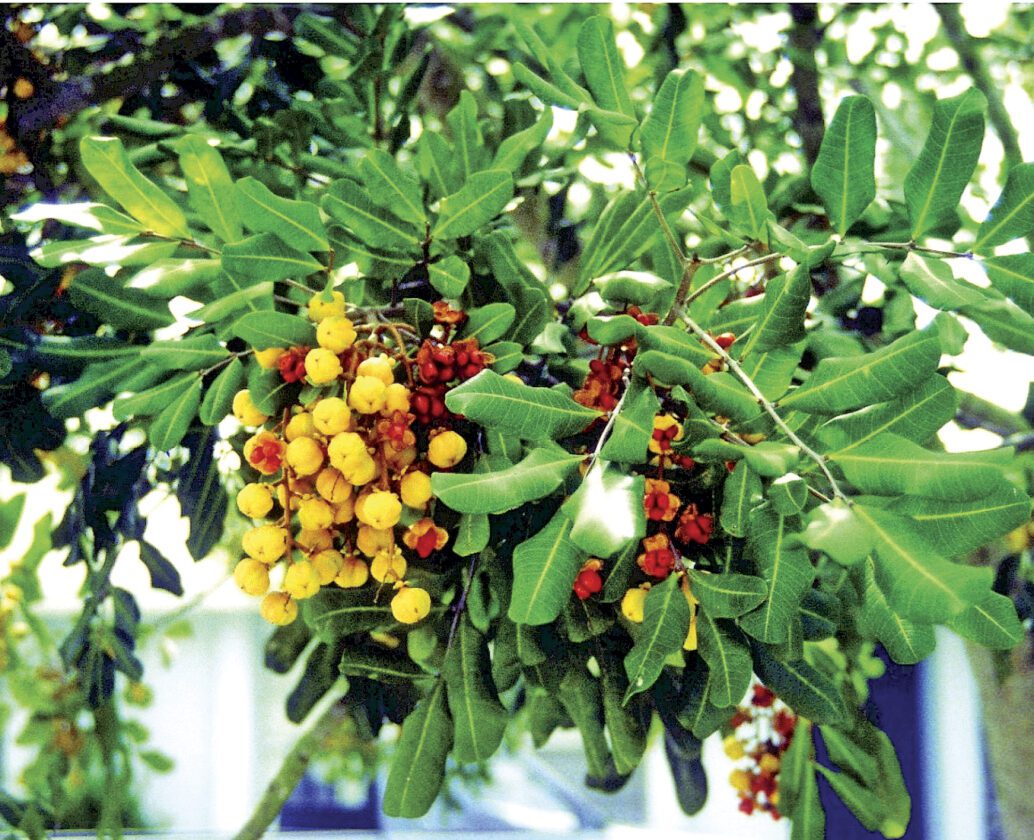
Although it is classified as an invasive plant, Carrotwood Trees are commonly found in local landscapes. UF/IFAS
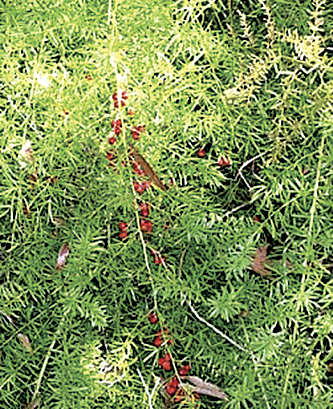
Asparagus Fern UF/IFAS

Although it is classified as an invasive plant, Carrotwood Trees are commonly found in local landscapes. UF/IFAS
Asparagus Fern UF/IFAS
Trending
If you lived in a northern climate prior to moving to Southwest Florida as I did, you no doubt have an appreciation for how quickly plants grow in our sub-tropical conditions! While it is quite rewarding to see your gardening efforts prosper so easily, the ease with which some plants grow can be indicative of their invasive nature.
Almost one-third of the more than 4,000 plant species that grow on their own without cultivation in Florida are non-native. These plants were either introduced as ornamental plants in residential gardens or as agricultural crops, often without any hint of the problems they would cause. The Florida environment was so advantageous to these plants that they naturalized or spread on their own. Non-native plants are labeled as invasive when they spread extensively into natural areas and displace native plants and disturb naturally occurring native plant communities.
Florida native plants are defined as plants whose native range included Florida around 1500 AD, or at the time of European contact. You might be thinking that plants continue to evolve and improve, and it seems difficult to imagine that native plants would remain static over the course of more than 500 years. To help understand the impact of invasive plants, it may be easier to consider the introduction of non-native animals to our environment, specifically Burmese pythons and boa constrictors which are frequently in the news. These non-native snakes were introduced to Southern Florida almost 40 years ago, and as non-native species they have no natural predators. According to multiple studies they have virtually wiped out raccoons, marsh rabbits, opossums and other once-common mammals in the Everglades National Park; the loss of these species has produced significant repercussions on the food web in the Everglades. The introduction of non-native plants that become invasive has the same potential for reducing biodiversity in our environment, which can negatively impact wildlife and other natural occurrences such as fire frequency and water flow.
With an understanding of the potential impact of invasive plants, you may wonder how these invasive plants can be identified, and what you can do to help stop their spread. The UF/IFAS Center for Aquatic and Invasive Plants (CAIP) was established to "develop and disseminate strategies to address the impact of invasive plants through increased public awareness." The CAIP maintains an online Plant Directory of more than 400 plants that have been identified as either invasive or potentially invasive. You can access the directory at: https://plants.ifas.ufl.edu/plant-directory/. Each plant listing has photos and detailed information on the plant's characteristics, its impacts on the environment and recommended preventive control methods.
The Florida Invasive Species Council, or FISC, determines which non-native plants are invasive. The mission of the FISC is "to reduce the impacts of invasive plants in Florida through the exchange of scientific, educational, and technical information." The FISC maintains invasive species lists that are revised every two years: https://newfleppc.bugwoodcloud.org/index.cfm. The invasive plant list includes plants that are commonly seen in our Southwest Florida landscapes: Mexican Petunia, Asparagus Fern, Lantana, Brazilian Pepper, Heavenly Bamboo, Carrotwood, Mimosa Tree and Water Hyacinth.
As a homeowner, how can you take action to prevent the spread of invasive plants?
First, you can educate yourself about the plants in our area that are considered invasive and ensure that you do not introduce these plants into your landscape. The Lee County Extension Office is an excellent resource for questions about plants in Lee County and can assist you in identifying invasive plants. The Extension Office is located at 3410 Palm Beach Boulevard in Fort Myers, and you can access its web site at https://sfyl.ifas.ufl.edu/lee/. You can contact the office at 239-533-4312 or by email at: lee@ifas.ufl.edu
In addition, the Lee County Master Garden Volunteers maintain a help desk at the Extension Office Monday - Friday from 10 a.m. to 2 p.m.; you can stop in with samples of your plants and receive knowledgeable assistance and recommendations from local Master Gardeners.
What if you find that these plants are already present in your landscape? The recommended approach is removal of an invasive plant or its fruits. This is not generally an issue for smaller plants or shrubs, however, the removal and replacement of large trees may require advice from an arborist. You should also never empty your aquarium into a lake or river because this can introduce invasive water plants into the local environment.
Invasive plants represent a threat to our environment by displacing native plants and disrupting the ecological balance. We can all help minimize this threat through increased awareness of the presence of invasive plants in our landscape, and by working to remove these plants and protect our beautiful Southwest Florida native environment!
Cathy Dunn is a Lee County Master Gardener Volunteer and Garden Club of Cape Coral member.