
Florida Crunch event uses lettuce grown by Island Coast High School students
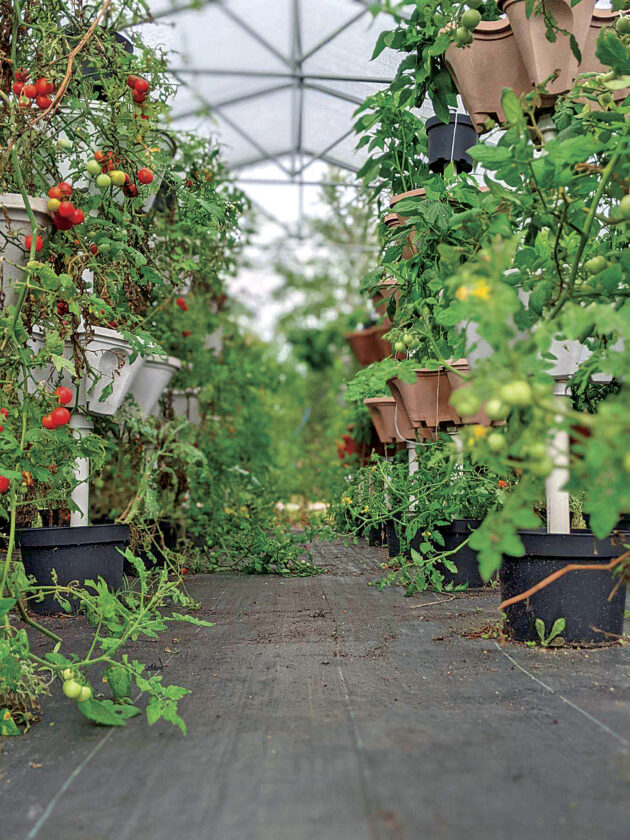
Island Coast High School Academy of Natural Resources produced the romaine lettuce for the school district’s Florida Crunch week. PHOTO PROVIDED BY JOE MALLON
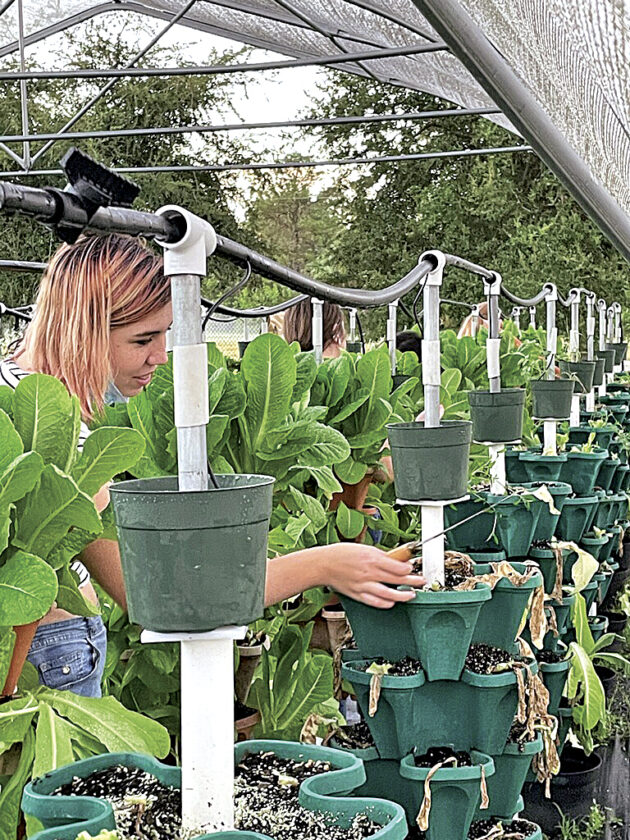
The lettuce is grown in a hydroponic system within greenhouses that the students maintain. PHOTO PROVIDED BY JOE MALLON
Island Coast High School Academy of Natural Resources produced the romaine lettuce for the school district’s Florida Crunch week. PHOTO PROVIDED BY JOE MALLON
The lettuce is grown in a hydroponic system within greenhouses that the students maintain. PHOTO PROVIDED BY JOE MALLON
Trending
Elementary students at three schools across the district had the chance to taste fresh romaine lettuce grown by high school students at Island Coast High School during Florida Crunch week to celebrate National Farm to School Month.
Students at North Fort Myers Academy for the Arts, Orangewood Elementary and Edison Park Elementary had the opportunity to “crunch” on the lettuce.
“The events went so great,” said Amy Carroll, registered dietitian and coordinator of special projects for Food & Nutrition Services. “Everyone was so receptive to it.”
She said she reached out to elementary school cafeteria managers and the principals to see if they were interested in participating in Florida Crunch, which was narrowed down to three elementary schools. With October being National Farm to School month, Carroll said they wanted to celebrate that, while highlighting Island Coast High School’s Academy of Natural Resources hydroponic garden.
The Florida Crunch event encourages kids to crunch on a fruit or vegetable, as well as helping them connect with food, where it comes from and why it is important to eat. It is held in partnership with the University of Florida Institute of Food and Agricultural Sciences (UF/IFAS) Extension Family Nutrition Program (FNP), and the Florida Department of Agriculture and Consumer Services (FDACS).
“They are able to provide us with enough romaine lettuce to supply five schools for the rest of the school year,” she said. “The lettuce is absolutely beautiful. Gorgeous. Nothing you see in the store.”
Carroll said the fact that it is grown locally by students for students for kids in the school district is truly great.
“Farming is very important because we all need food to live and be healthy,” she explained, adding that it is great to work with the Environmental Education Department to bring this to the cafeteria.
The Florida Crunch event took place during the students’ seated lunch time, which was held six times each day. Carroll said they encouraged the students to be a good taster by going into the cafeteria with an open mind.
“They did very good,” she said.
As part of the event, each class has the opportunity to name the lettuce. The names will be narrowed down to the top three from each elementary school to provide the whole school with the opportunity to vote on their favorite. The winning name will be used for signage at the cafeteria.
Carroll said they hope to continue to raise awareness of what is taking place in the county — students growing sustainable local produce.
Island Coast High School Academy of Natural Resources teacher Joe Mallon said he has been teaching sustainability for 14 years.
“I try to teach the kids that you can survive and earn a living,” he said.
Mallon said when COVID happened they wanted to concentrate on growing as much vegetables as they could to offset what the district needs and cannot get from vendors.
“We can grow pretty much anything and a lot of it has to do with what the kids want to grow,” he said, such as tomatoes, peppers, potatoes, onions and various herbs. "Normally I only run about eight different lines, hydroponic systems. I already opened up three more this year. Another six to produce more for the school district."
There are currently four or five rows, 10 towers producing 400 to 500 heads of romaine lettuce.
"The whole idea is food should be grown locally," Mallon said.
The vertical hydroponic system limits the amount of water each plant actually needs while receiving all the nutrients customized for the particular plan.
"We water three minutes, two times a day and that is it. We don’t waste any water," Mallon said, adding they have high nutrient water for the tilapia raised, which is used for the vegetables.
The five-tower system has a 55-gallon drone tank connected to a pipe above the towers. The tower system is stacked upon each other with tubes inside to drip water down to the pots with a big pot at the bottom that contains a root crop. The top of the tower contains such vegetables as lettuce and tomatoes.
Island Coast High School has eight greenhouses with each system designed by students.
"My whole focus is to take nothing and have a zero carbon footprint," Mallon said. "We filter everything by plants with no damage to the environment and at the same time producing a whole bunch of food."
The academy runs anywhere from one year to four with the general agriculture aspect consisting of learning about hydroponics and plants, germinating, harvesting and replanting.
Mallon said the students have to maintain the greenhouses.
"It’s beyond hands on. I try to get the kids outside working on the farm one time a week," he said, adding that there is a rotating checklist the students are responsible for completing.
The academy also raises tilapia, which they harvest, filet and package.
"We raise a lot of tilapia," he said. "We are solving the protein issue in the world."