
‘Perfect Storm:’ National study shows alarming statistic for pets

This is Firelight. He was adopted from as a puppy but given little training or proper socialization. Returned and adopted again to a wonderful family who wanted him very much but were not allowed to have him because of his breed and his size. CCAS

Beta as a puppy in September of 2021. CCAS
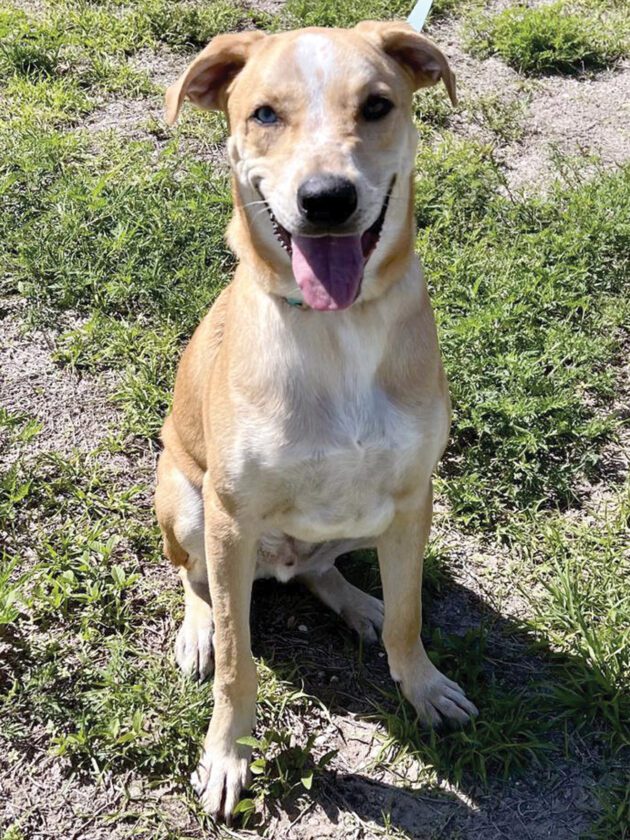
Beta as an adult in 2023. He was adopted in September 2021, returned in May 2022, been waiting over a year for his new forever home. Overlooked because of his size. He’s a good dog. CCAS
This is Firelight. He was adopted from as a puppy but given little training or proper socialization. Returned and adopted again to a wonderful family who wanted him very much but were not allowed to have him because of his breed and his size. CCAS
Beta as a puppy in September of 2021. CCAS
Beta as an adult in 2023. He was adopted in September 2021, returned in May 2022, been waiting over a year for his new forever home. Overlooked because of his size. He’s a good dog. CCAS
Trending
A national study has shown an alarming statistic for pets, including four-legged friends that call Southwest Florida home.
Newly released data from Shelter Animals Count, a national database that compiles information from municipal and private shelters throughout the country found that dog euthanasia rates in shelters has nearly doubled (5.6% to 10%) when comparing the first quarter of 2021 to 2023. Cat intake has remained steady, however, many shelters are unable to take in cats, which results in an increase in the feral cat population.
Officials with the Cape Coral Animal Shelter, a non-kill shelter, said they are seeing a large increase in requests from pet owners to surrender their animals while adoptions, especially for larger breeds, have decreased due to housing issues.
"There is a 'perfect storm' of problems happening that is threatening to undo all the work so many great organizations like ours have done over the years," said CCAS Executive Director Liz McCauley. "The biggest challenge facing our community is the housing crisis, inflation, increased cost of living, and the fact that so many HOAs and apartments do not allow animals at all, or do not allow animals of a certain size or breed."
She added many people have been displaced since Hurricane Ian, and had to surrender their animals because their new place of residence does not allow pets.
"It’s heartbreaking when an animal that is loved and cared for by their family must surrender them in their most desperate time of need," McCauley said.
Other contributing factors, McCauley said, include "backyard" or "hobby" breeders who can't sell or care for their animals, many times abandoning them with already overburdened shelters, or giving them away without being spayed or neutered.
"Or worse," she said.
The lack of resources for low-cost spay and neuter also plays a role in overpopulation, which McCauley said is a direct result of a shortage of veterinarians and veterinarian technicians globally. She said a recent study showed 75 million pets in the U.S. could be without healthcare by 2030, but that fortunately, Florida lawmakers are trying to help by introducing bills that can help alleviate these issues.
At Lee County Domestic Animal Services, a low-kill shelter, officials said there has been a 19% increase in owner surrenders of dogs comparing the past six months to that of a year ago. For felines, there has actually been a 14% decrease in surrenders of cats in the same time.
As for why owners are surrendering, Karen Frick with LCDAS said, "Reasons vary, but some that come up are the owners are moving and can't take pets with them, or their housing or health situation has changed and they can no longer care for their pets."
When asked if euthanasia rates have increased at LCDAS, Frick said numbers fluctuate each month due to the "various reasons for intake."
"Our staff works diligently to assess pets and get them adopted, and we work with dozens of rescue organizations around the state to find forever homes," Frick said. "We also have a robust fostering program."
The key to successfully welcoming a new member of the family to your home?
"Make sure you and your family are ready for the responsibility before taking it on," Frick said. "Adopting from shelters is so important because it helps with the homeless pet population. You also have the opportunity to get a pet that has training and already has grown into its personality. At DAS you can take part in our foster-to-adopt program and be sure your pet is a perfect fit."
At Gulf Coast Humane Society in Fort Myers, Community Relations Coordinator Brian Wierma said surrenders have been on the rise.
“We have seen an increase of owner surrender applicants over the course of the last year, especially months after Hurricane Ian,” Wierma said. “GCHS is not an open intake shelter. We can intake owner surrenders based on the space in kennels, otherwise the applicant will be added to a waiting list, which has been the case over the last year.”
The most common reasons for people surrendering their animals? “The pet owner is moving and their new residence has restrictions on pets. Another reason includes the family is expecting a child and space considerations are the reasons. Allergies also play a part in reasons people owner surrender their pet, since someone in their family is allergic to the pet.”
He said after Ian, owner-surrender application spiked due to people losing their homes.
Wierma added, “The first aspect of owning a pet is commitment. Accepting the pet as being a part of the family and not a possession will definitely lower the chances of owner surrendering their pet. Doing what’s best for your pet and exhausting every option to keep them should be done, the shelter should be the last option in the process.
He said before adopting a pet, considerations should include your financial situation, space in the home and if your rental/HOA has pet restrictions. Researching the cost of annual veterinary visits for vaccinations, heartworm preventative treatments, the cost of feeding your pet and amenities such as toys, treats and beds/kennels, is highly recommended.
“Be prepared to commit to your pet for 12-15 years,” Wierma said. “It will be well worth it, because your pet will give so much love and repay you fourfold.”
While many new pet owners gravitate towards younger animals, often times adult and senior pets get overlooked. McCauley said puppies require a lot of work, patience, time, and training. She added that no matter how much adoption counselors explain these facts to potential adopters, a few months or even up to a year later, they return the dog to shelters — no longer a little puppy — unsocialized, untrained, and now, much harder to find a family for.
"It truly is the 'perfect storm' of problems," McCauley said. "This crisis is not, in any way the fault of private shelters like ours, or our municipal shelters that provide animal control services. All shelters need help now more than ever. This is a community problem and it’s going to take our community to come up with solutions to solve these problems.”
For more information on CCAS, including pets available for adoption, visit www.capecoralanimalshelter.com.
The shelter also offers low-cost veterinary services, including spay and neuter.
For more information on LCDAS, including pets available for adoption, visit www.leegov.com/animalsservices.