
Read before you feed!
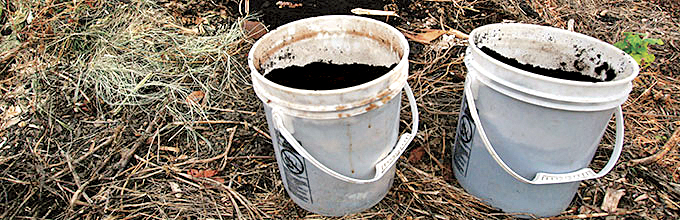
Compost buckets for the home garden. PHOTO PROVIDED BY UF/IFAS
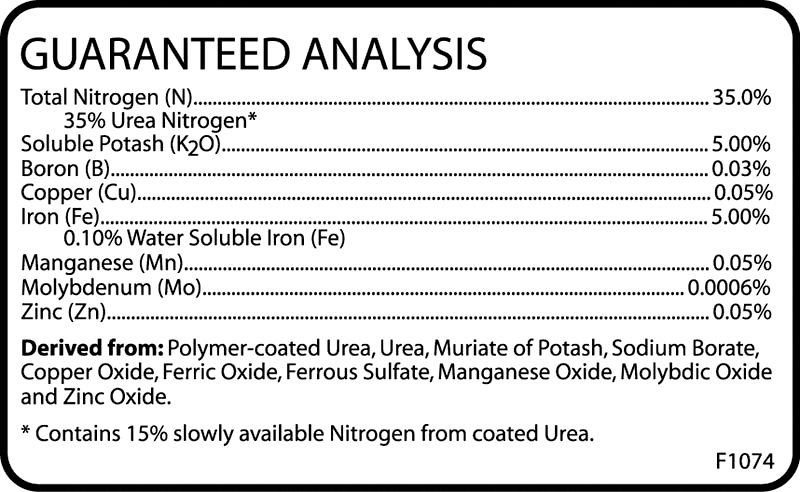
A typical fertilizer label showing the percentages of the ingredients. PHOTO PROVIDED BY UF/IFAS
Compost buckets for the home garden. PHOTO PROVIDED BY UF/IFAS
A typical fertilizer label showing the percentages of the ingredients. PHOTO PROVIDED BY UF/IFAS
Trending
The plants in our landscapes need nutrients to grow and thrive; these nutrients are typically provided by the soil, but sometimes our plants need a “boost” to promote growth and blooms. Fertilizer can supply specific nutrients for your plants or turfgrass in a variety of formulations that differ not only in the amount of nutrients that are provided but also in the way the fertilizer is applied and absorbed. It is important to understand these variations to ensure that you use fertilizer in a responsible manner.
All fertilizers sold in Florida are required to be labeled with specific information about the analysis and composition of the mixture. The label will include the familiar numbers that indicate the percentage of nitrogen, phosphorous and potassium by weight; a 10-4-12 fertilizer contains 10 percent nitrogen, 4 percent phosphorous and 12 percent potassium.
But how do you make sense of those numbers? Most balanced fertilizers contain a high percentage of nitrogen, the first number in the equation, which helps plants make green growth. Phosphorous, the second number, is necessary for root growth and the formation of flowers or fruit; it also allows plants to absorb and use other nutrients. The final number, potassium, is a sort of multi-vitamin for your soil, critical to your plants' ability to grow, perform photosynthesis and develop fruit or seeds.
Your fertilizer label will also include a brand and product name at the top of the label. Most product names will describe the use of the fertilizer: "Bold Blooms Flowering Plant Food," "Palm and Hibiscus Food" or "All Purpose Plant Food." In addition to the N-P-K percentages, you will also find secondary nutrients such as calcium, magnesium and sulfur listed. Micronutrients such as chlorine, iron, manganese, boron, copper and zinc will also be listed.
The directions are probably the most important information included on the fertilizer label. One of the mantras in the Master Gardener education program is "Read and follow the label directions thoroughly before using." The label will provide directions for properly applying the fertilizer, the formula for the square footage of the space you are fertilizing (your lawn or flower bed), the amount of fertilizer granules per plant/shrub or the volume of liquid fertilizer to add to water. Most fertilizers will stipulate that you apply water to the soil both before and after applying fertilizer; this practice will help release the fertilizers' nutrients, prevent burning the plant's roots, and will wash any residual fertilizer off the plants' leaves. If you use liquid fertilizer, the amount of water used to fertilize will not be sufficient to thoroughly soak your plants, so an additional watering after applying fertilizer is beneficial to your plants.
Now that you know some of the basics of fertilizing, you're probably wondering how do you choose the optimum fertilizer for your situation? You first need to consider why you are fertilizing; do you want to achieve better growth or just replenish missing nutrients? Many gardeners use a variety of different fertilizers and application techniques to achieve their fertilizing goals. Slow or Controlled Release Fertilizers will provide nutrients over an extended period, allowing you to both fertilize less frequently and prevent nutrients from entering our waterways and contributing to algal blooms. Any fertilizer sold in Florida that is labelled 'slow-release" must contain 15% or more of slow-release nitrogen. You should consider using a combination of slow-release and quick-release fertilizer in your vegetable garden so that nutrients are available to plants both when they are immature and as they grow. Dry fertilizer can be broadcast over a large bed or garden, while water-soluble fertilizers can provide a quick boost for your plants.
Fertilizers are also classified as “inorganic” or “organic.” Inorganic fertilizers are composed of materials that are obtained from non-living materials. If you use inorganic fertilizers, select a product that produces some nutrients in slow- or controlled release form so that your plants can take up the fertilizer as it is gradually released. Organic fertilizers are derived from plants or animals; manure or fish emulsions are examples of organic fertilizers. These products are generally worked into the soil before planting, so you may want to supplement organic fertilizer with an application of inorganic fertilizer for a quick nutrient boost.
Here in Southwest Florida, it is important to keep in mind the fertilizer blackout that extends from June 1 through Sept. 30. This ban is designed to lessen the amount of nitrogen that enters our groundwater and waterways over the summer months when we experience heavy rains that leach nutrients out of the soil. It's advisable to plan your fertilizer program for spring (mid-March), summer (end of May), and fall (early October) to comply with this fertilizer blackout.
The University of Florida has several excellent online publications on fertilizers; this site is a good place to start your research: https://gardeningsolutions.ifas. ufl.edu/care/fertilizer/
Next month we'll learn about specific fertilizer requirements for your lawn and gardens, and how to maintain a good fertilizer management plan in your landscape!
Cathy Dunn is a Lee County Master Gardener Volunteer and Garden Club of Cape Coral member.